
Contents
- 🎮 Origins & History
- 👥 How It Works
- 📊 Key Facts & Numbers
- 👥 Key People & Organizations
- 🌍 Cultural Impact & Influence
- ⚡ Current State & Latest Developments
- 🤔 Controversies & Debates
- 🔮 Future Outlook & Predictions
- 💡 Practical Applications
- 📚 Related Topics & Deeper Reading
- Frequently Asked Questions
- References
- Related Topics
Overview
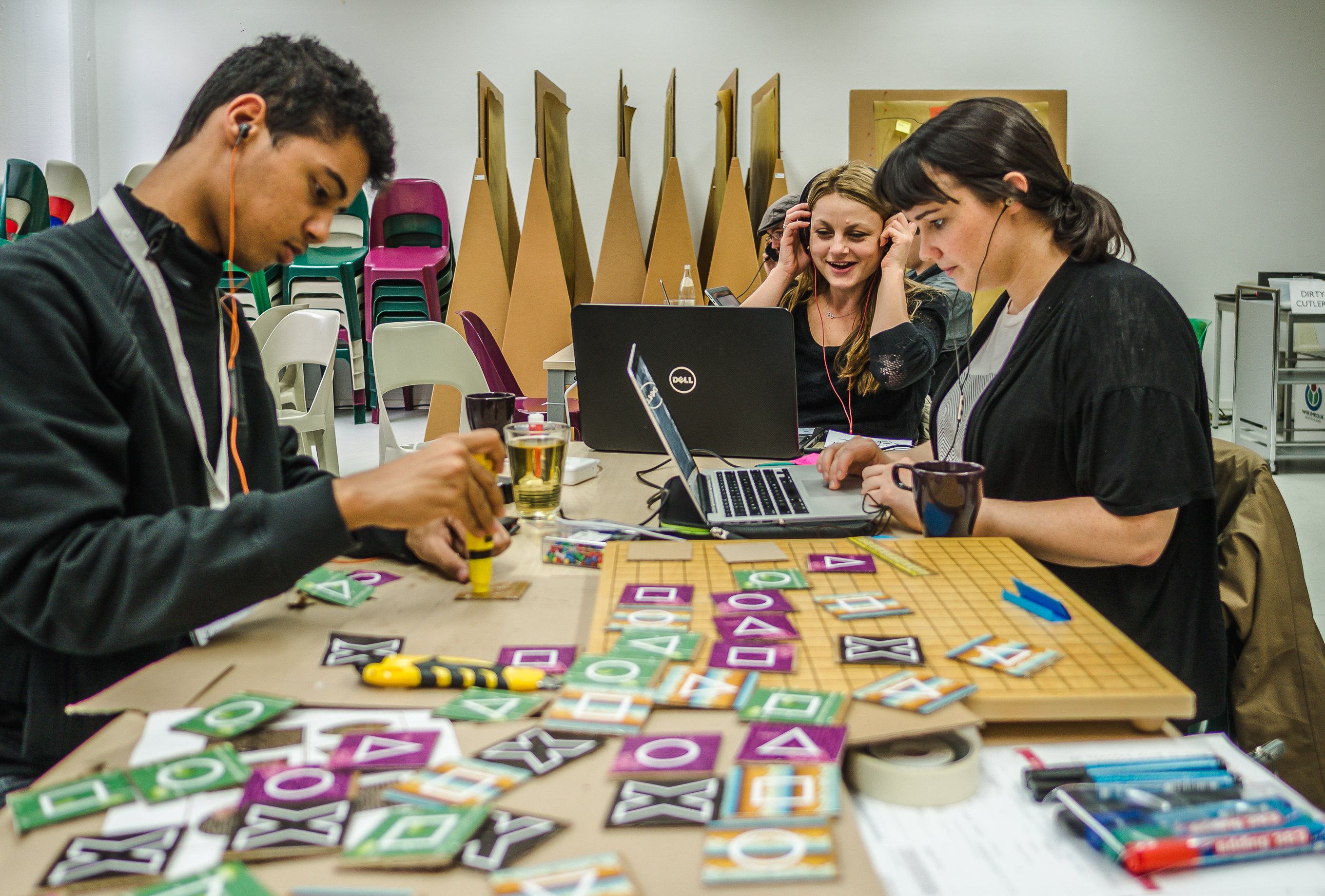
Game jam events are time-limited gatherings where participants from various game development disciplines come together to create a video or board game from scratch. These events, which can last anywhere from 24 to 72 hours, encourage creativity, innovation, and collaboration among participants. With a focus on rapid game development, game jams have become a staple in the gaming community, often leading to the creation of unique and engaging games that might not have been conceived through traditional game development processes. Many game jams are organized as contests, with prizes awarded to the best submissions, and some games developed during these events have gone on to become fully-fledged, commercially successful titles. The game jam concept has also expanded beyond video games to include board games, further enriching the diversity of game development. As the gaming industry continues to evolve, game jam events play a significant role in nurturing new talent, fostering community engagement, and pushing the boundaries of what is possible in game design and development.
🎮 Origins & History
Game jam events have their roots in the early 2000s, with the first recorded game jam taking place in 2002, organized by Indie Game Jam founders Keith Purcell and Alex Lodwig. This initial event set the stage for what would become a global phenomenon, with game jams now being held in numerous locations around the world, including Global Game Jam, which has become one of the largest and most recognized game jam events. The concept of game jams has evolved over the years, incorporating various themes, constraints, and technologies to challenge participants and foster innovation.
👥 How It Works
The process of a game jam typically involves participants gathering at a designated location or participating remotely, where they are given a theme, constraints, or specific goals to work towards. With a limited timeframe, usually ranging from 24 to 72 hours, teams or individual participants must design, develop, and polish their game, which can be a video game or, in some cases, a board game. The event encourages collaboration, creativity, and problem-solving under pressure, with many game jams offering workshops, mentorship, and resources to support participants. Tools and platforms like Unity and Unreal Engine are often used during these events, and the final submissions are usually presented to a panel of judges or the public, with feedback and awards following.
📊 Key Facts & Numbers
Key facts about game jam events include the diversity of participants, with game developers, artists, writers, and sound designers coming together to create unique gaming experiences. The number of game jams has grown significantly over the years, with hundreds of events taking place globally, including Ludum Dare, which attracts thousands of participants. Statistics show that a significant percentage of games developed during game jams go on to become fully released titles, with some achieving commercial success. For example, games like Super Meat Boy and Braid originated from game jam prototypes. The impact of game jams on the gaming industry is also evident in the number of indie games that have been developed and published as a result of these events.
👥 Key People & Organizations
Key people and organizations in the game jam community include Jonathan Blow, known for his game Braid, which was initially developed during a game jam, and Edmund McMillen, co-creator of Super Meat Boy. Organizations like IGDA (International Game Developers Association) and Game Jam Network play a crucial role in supporting and promoting game jam events worldwide. These individuals and groups contribute to the vibrant community that surrounds game jams, providing resources, mentorship, and opportunities for game developers to showcase their talents.
🌍 Cultural Impact & Influence
The cultural impact of game jam events is multifaceted, influencing not only the gaming industry but also education and community building. Game jams have been incorporated into educational curricula, teaching students valuable skills in game development, teamwork, and time management. The events also foster a sense of community among participants, who often continue to collaborate and support each other beyond the jam. Furthermore, game jams have led to the creation of innovative and diverse games that might not have been developed through traditional means, enriching the gaming landscape with fresh ideas and perspectives. The influence of game jams can also be seen in the rise of indie game development, with many successful indie games originating from game jam prototypes.
⚡ Current State & Latest Developments
Currently, game jam events continue to evolve, with new themes, technologies, and formats being introduced. The rise of virtual and remote game jams has expanded participation, allowing developers from around the world to join in. Events like Global Game Jam and Ludum Dare continue to attract large numbers of participants, and the quality and diversity of games produced during these events are on the rise. As the gaming industry moves forward, game jams are likely to play an increasingly important role in nurturing new talent, driving innovation, and fostering community engagement. With the advancement of game development tools and technologies, game jams are also becoming more accessible, allowing a wider range of participants to join and contribute to the community.
🤔 Controversies & Debates
Despite the many benefits and the positive impact of game jams on the gaming industry, there are also controversies and debates surrounding these events. Some critics argue that the time pressure and competitive nature of game jams can lead to burnout and decreased game quality. Others debate the intellectual property rights of games developed during jams, especially when these games go on to become commercial successes. However, the game jam community has been addressing these concerns, with many events now focusing on well-being, providing resources for mental health, and clarifying IP rights for participants. The community has also been working to increase diversity and inclusion, making game jams more accessible to underrepresented groups in the gaming industry.
🔮 Future Outlook & Predictions
Looking to the future, game jam events are expected to continue their growth and evolution, incorporating new technologies like VR and AR, and possibly expanding into other areas of game development, such as game writing and sound design. The rise of online platforms and communities dedicated to game development will also play a significant role in the future of game jams, enabling more participants to join and facilitating the organization of these events. As the gaming industry becomes more diverse and global, game jams will remain a vital part of the ecosystem, providing a platform for innovation, creativity, and community building. With the increasing popularity of game jams, we can expect to see more games developed during these events being released commercially, and the community continuing to grow and evolve.
💡 Practical Applications
Practically, game jam events offer a unique opportunity for game developers to develop their skills, network with peers, and create games under tight deadlines. Participants can apply the skills and knowledge gained from game jams to real-world game development projects, and many have gone on to form successful game development studios or have been hired by major game development companies. The experience and portfolio built from participating in game jams can be invaluable for aspiring game developers. Furthermore, game jams provide a platform for developers to experiment with new ideas, genres, and technologies, which can lead to the creation of innovative and engaging games that might not have been developed otherwise.
Key Facts
- Year
- 2002
- Origin
- Global
- Category
- gaming-news
- Type
- concept
Frequently Asked Questions
What is a game jam?
A game jam is an event where participants try to make a video or board game from scratch within a limited timeframe, usually 24 to 72 hours. It's an opportunity for game developers to be creative, innovative, and collaborative under pressure. Game jams can be organized as contests, with prizes awarded to the best submissions, and have been a launching pad for many successful games and game development careers.
How do game jams contribute to the gaming industry?
Game jams contribute to the gaming industry by fostering innovation, creativity, and community engagement. They provide a platform for developers to experiment with new ideas, genres, and technologies, leading to the creation of unique and engaging games. Game jams also play a significant role in nurturing new talent, driving innovation, and promoting indie game development. Many games developed during game jams have gone on to become commercially successful, and the events have helped launch the careers of numerous game developers.
What are the benefits of participating in a game jam?
Participating in a game jam offers numerous benefits, including the opportunity to develop game development skills, network with peers, and create a game under tight deadlines. It's a chance to be part of a vibrant community, learn from others, and gain experience that can be applied to real-world game development projects. Game jams also provide a platform for developers to showcase their talents, experiment with new ideas, and potentially launch their careers in the gaming industry.
How have game jams evolved over time?
Game jams have evolved significantly over time, from their origins in the early 2000s to the present day. They have become more diverse, with the inclusion of various themes, constraints, and technologies to challenge participants and foster innovation. The rise of virtual and remote game jams has expanded participation, allowing developers from around the world to join in. Game jams have also become more focused on well-being, providing resources for mental health and clarifying IP rights for participants. The community has been working to increase diversity and inclusion, making game jams more accessible to underrepresented groups in the gaming industry.
What is the future of game jam events?
The future of game jam events looks promising, with expectations of continued growth and evolution. Game jams are likely to incorporate new technologies, such as VR and AR, and possibly expand into other areas of game development. The rise of online platforms and communities dedicated to game development will play a significant role in the future of game jams, enabling more participants to join and facilitating the organization of these events. As the gaming industry becomes more diverse and global, game jams will remain a vital part of the ecosystem, providing a platform for innovation, creativity, and community building.
How can I get involved in a game jam?
Getting involved in a game jam is relatively straightforward. You can start by looking for upcoming game jam events in your area or online. Many game jams are open to participants of all skill levels, from beginners to experienced game developers. You can also join online communities and forums dedicated to game development and game jams to connect with other developers and learn more about these events. Once you've found a game jam that interests you, you can register to participate, and then it's time to get creative and start making your game.
What are some notable games that originated from game jams?
Several notable games have originated from game jams, including Super Meat Boy and Braid. These games were initially developed as prototypes during game jams and later went on to become fully released, commercially successful titles. Other examples include Minecraft, which was inspired by games developed during game jams, and Cuphead, which was initially conceived during a game jam. These games demonstrate the potential for game jams to spawn innovative and engaging games that can resonate with players worldwide.